Tree Removal Metairie: How Long Does the Process Take?
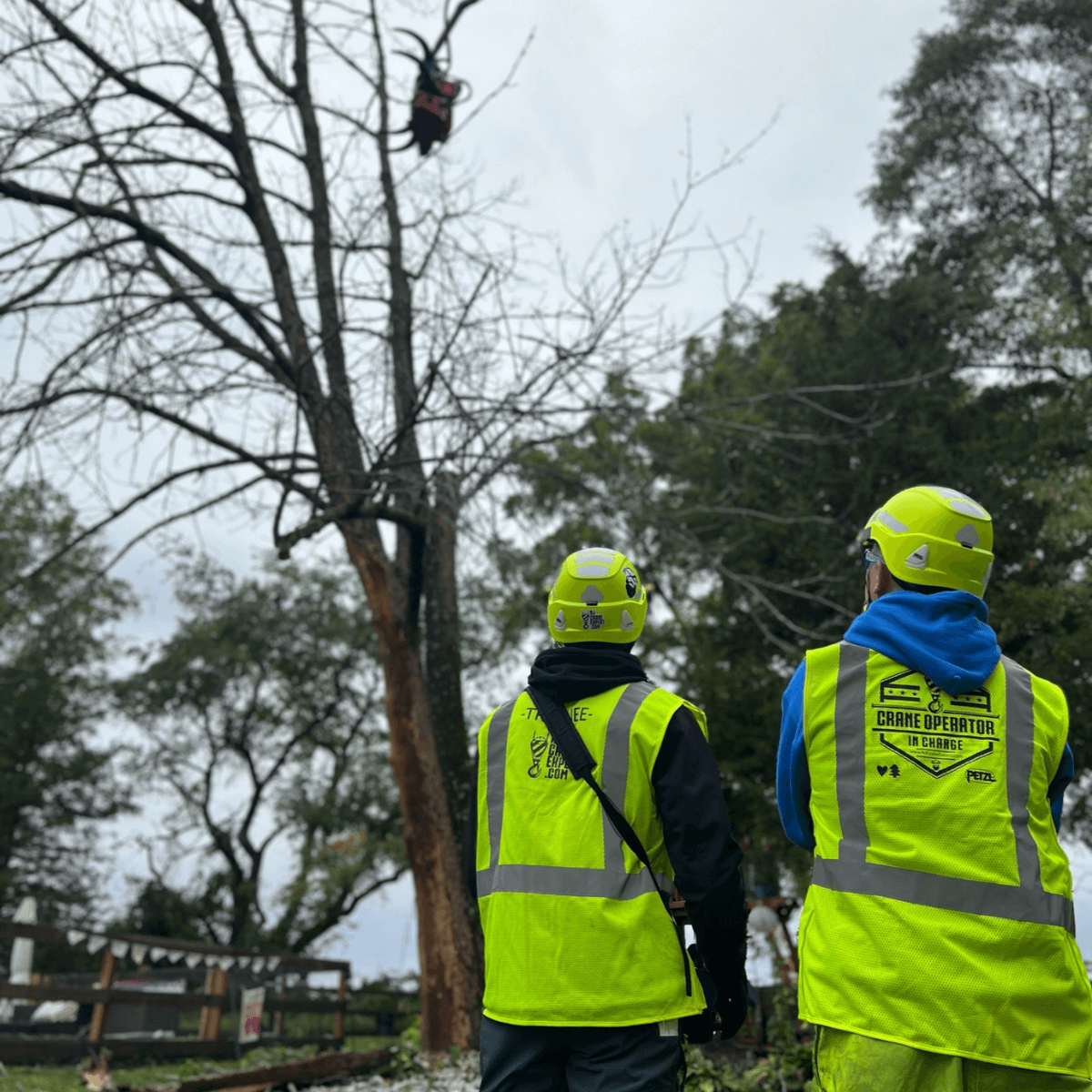


If you have a tree leaning over a roof in Metairie, or roots pushing up a driveway, the first question is often cost. The second is usually timing. People want to know how long they will have to work around a crew in the yard, whether they need to move cars, and if the problem can be handled before the next storm line rolls through southeast Louisiana.
The honest answer is that tree removal can take anywhere from a couple of hours to several days, depending on the tree, the site, the weather, and the amount of cleanup involved. A small ornamental tree in an open front yard is one thing. A large live oak boxed in by power lines, fences, and neighboring homes is something else entirely.
In Metairie, timing also gets shaped by local realities. Tight suburban lots, mature trees, saturated soil after rain, hurricane season urgency, and utility coordination can all stretch a straightforward job into a more careful operation. When homeowners search for tree removal Metairie services, they are usually looking for speed, but what they really need is controlled speed. Fast matters. Safe matters more.
The short answer, with real-world ranges
For most residential jobs, the actual on-site removal takes between half a day and one full day. That covers a wide middle range of common work, such as medium-size trees near a house, backyard removals with decent access, or damaged trees that can still be dismantled in sections without special equipment delays.
Very small trees can be removed in two to four hours. Large or hazardous trees can take a full day, and sometimes longer if the crew must climb and rig every section down by hand. If stump grinding is included, that adds time. If permits, utility line clearance, or crane scheduling are involved, the calendar from first call to finished job gets longer, even if the actual cutting time does not.
A homeowner often hears, “We can remove it in a day,” and assumes the whole process starts tomorrow morning. In practice, there are two different timelines: the scheduling timeline and the workday timeline. Those are worth separating because they cause most of the confusion.
Scheduling time versus removal time
The scheduling timeline is the period between your first call and the day the crew arrives. In normal conditions, this can range from a day or two for urgent storm-damaged trees to a week or more during busy seasons. After a major weather event, all bets are off. Reputable companies get flooded with calls, and priority goes to trees that are split, uprooted, on structures, or creating immediate safety hazards.
The workday timeline begins when the crew shows up and ends when the tree is down, debris is managed, and the site is cleaned to the agreed standard. Homeowners tend to focus on this part because it disrupts the property directly. But if you are planning around roofing work, fence replacement, pool installation, or a home sale, the scheduling timeline matters just as much.
In Metairie, storm season compresses schedules. A tree that would be a routine booking in February can become a two-week wait in late August if every contractor in Jefferson Parish is responding to broken limbs and emergency calls.
What makes one tree take two hours and another take two days
Tree size is the obvious factor, but it is not the only one, and often not even the main one. Access, condition, and obstacles can outweigh height.
A fifty-foot tree in an open side yard may come down faster than a thirty-foot tree wedged between a garage, a fence, and a service line. The open-yard tree might be felled in one controlled direction, bucked up on the ground, and loaded quickly. The boxed-in tree has to be dismantled piece by piece, with ropes, friction devices, and a climber making deliberate cuts to protect everything around it.
Species matters too. Dense hardwoods take longer to cut and handle than lighter wood. Broad canopies create more brush volume, which means more dragging, more chipping, and more loading. A sprawling oak often creates far more cleanup time than people expect, even when the trunk itself comes down efficiently.
Tree condition can slow the work in a different way. Dead, hollow, cracked, or storm-damaged trees are unpredictable. A healthy tree gives a climber stronger tie-in points and more dependable wood. A compromised tree forces the crew to slow down, change rigging strategy, or bring in a lift or crane. Every extra layer of caution adds time, and for good reason.
The typical stages of a tree removal job
Although every property is different, most removals follow a similar sequence. Understanding that sequence helps explain where the hours go.
The first stage is assessment and setup. The crew confirms the drop zone, checks for hazards, positions equipment, and protects nearby surfaces if needed. On a simple job, this is quick. On a tight lot, setup can be surprisingly involved. Trucks may need to be parked carefully to preserve access for neighbors. Plywood may be used to reduce turf damage. Fences may need temporary panel removal.
Next comes the cutting itself. Sometimes the tree is felled in one piece, though that is less common in dense neighborhoods. More often, the canopy is reduced section by section. Limbs are cut, lowered, and staged. Then the trunk is taken down in rounds or manageable lengths.
After that comes debris processing. Branches are chipped, logs are stacked or hauled off, and smaller brush is cleared from the yard. If the homeowner wants firewood left on site, the crew has to cut and place it, which can save hauling time but still adds handling time.
The final stage is cleanup and optional stump work. Cleanup standards vary by company, so it is smart to ask in advance what “cleaned up” really means. Some crews rake and blow the area thoroughly. Others remove major debris but leave sawdust or smaller chips. Stump grinding, if included, usually happens after the removal and can add anywhere from thirty minutes to a few hours depending on stump size and root flare.
A practical timing guide for common Metairie scenarios
These are broad, defensible ranges rather than promises, but they reflect what homeowners usually encounter.
| Scenario | Typical on-site time | | --- | --- | | Small ornamental tree with easy access | 2 to 4 hours | | Medium backyard tree with moderate rigging | 4 to 8 hours | | Large tree near house or fence | 1 full day | | Hazardous or storm-damaged large tree | 1 to 2 days | | Crane-assisted removal | Often 1 day for the removal, longer to coordinate |
That last line surprises people. A crane can shorten the physical cutting time dramatically, especially for large removals over structures. But it may lengthen the overall schedule because you need the crane date, street access, and the right weather window.
Why access changes everything in older neighborhoods
Many Metairie properties were not designed with modern tree equipment in mind. Side yards can be narrow. Rear access may be blocked by gates, air-conditioning units, or masonry walls. Mature landscaping creates beauty, but it also creates complexity.
When a crew cannot get a bucket truck or mini skid into the yard, labor goes up and speed goes down. That does not mean the job becomes unsafe or unmanageable. It just means the tree may need to be climbed and the debris may need to be carried out by hand, piece by piece. On paper, the tree might look average. In the field, access turns it into an all-day project.
I have seen homeowners compare two estimates and assume the shorter projected time means greater skill. Sometimes it does. Other times it means one company is overlooking how long debris movement will actually take. A strong estimator walks the route from the tree to the truck and thinks about every gate, step, and bottleneck. That walk often tells you more about the final timeline than the tree height alone.
Weather delays are common, and sometimes non-negotiable
Metairie crews work around heat, pop-up thunderstorms, wet ground, and wind. Rain does not automatically stop a tree job, but saturated soil can limit heavy equipment access, and gusty conditions make canopy work riskier. If a climber is working over a home or near utility lines, wind can shut the job down even when the sky looks decent from the driveway.
Summer weather creates another timing issue: stop-start delays. A crew may begin in the morning, pause for lightning, then resume once conditions clear. To a homeowner, that can feel inefficient. To a professional crew, it is basic risk management.
After major storms, hidden damage complicates schedules too. A tree that appears stable from the street may reveal split unions, hanging limbs, or root plate movement once the crew gets closer. That can change the removal method on the spot. More caution means more time.
Permits, utilities, and neighbors can slow the calendar
Most routine removals on private property do not turn into permit sagas, but some jobs require extra coordination. If branches are entangled with service lines, utility involvement may be necessary. If a crane needs street space, traffic considerations come into play. If the tree straddles a property line or clearly affects a neighbor’s side, that should be discussed before work begins, not during the first cut.
This is where total project duration can stretch beyond the actual labor. The saw work may take one day. Getting all parties aligned may take a week. In dense residential blocks, this is normal.
For homeowners searching tree removal Metairie providers on short notice, the best move is to describe site conditions accurately at the first call. Mention power lines, blocked access, storm damage, and whether the tree touches any structure. That helps the company plan the right crew and estimate a realistic timeline from the beginning.
Emergency removals move faster, but they are not always immediate
If a tree is on a roof, blocking a driveway, or in danger of failing, emergency response can happen quickly. That may mean same-day service or a visit within hours, especially if the hazard is severe. Still, “emergency” does not always mean the entire tree is fully removed that day.
Often the first goal is stabilization. A crew may clear the part causing immediate danger, make the area safe, and return later to finish the complete removal when conditions are better or additional equipment arrives. This is especially common after widespread storms, when contractors triage many hazardous properties in a short window.
Homeowners are sometimes frustrated by that two-stage approach. In practice, it is the right one. Securing the danger promptly is more important than forcing a full teardown under rushed or crowded conditions.
Stump grinding is a separate clock
Many people ask how long tree removal takes when they are really asking about the entire finished tree removal metairie appearance of the yard. If the stump remains, the job never feels done. That is why it helps to treat stump grinding as its own phase.
A small stump may take less than an hour to grind. A large hardwood stump with heavy buttress roots can take several hours, especially if access is poor or the stump sits near utilities, irrigation, or paving. The cleanup afterward also matters. Some homeowners want the chips left to settle into the hole. Others want chips hauled off and topsoil brought in. Each option affects time.
If you are coordinating tree removal metairie fencing, sod, drainage work, or new planting, ask whether stump grinding happens the same day as removal. Sometimes it does. Sometimes a separate machine and operator are scheduled later.
What you can do to keep the process moving
Homeowners have more influence over timing than they realize. Good prep does not change the size of the tree, but it can eliminate delays and confusion.
- Move vehicles out of the work zone and nearby street frontage if the crew asks.
- Unlock gates and clear side-yard access before arrival.
- Mark irrigation heads, invisible fences, or drainage features if you know where they are.
- Confirm whether you want logs, mulch, or full haul-away.
- Let neighbors know if access or noise will affect them.
That short bit of prep can save an hour of preventable back-and-forth on the job site, which matters when a crew is trying to finish before weather shifts or daylight fades.
Questions worth asking before you book
A good estimate should cover more than price. Timing details are just as important, especially if the tree is near a house or part of a larger home project.
Ask whether the quoted timeframe covers removal only or includes cleanup and stump grinding. Ask what could extend the job. Ask whether the company expects to climb, use a bucket, or bring in a crane. Ask what access they need from you. Those answers often reveal whether the estimate is grounded in field experience or built from guesswork.
Here are five useful questions that tend to produce clear expectations:
- How many hours do you expect this job to take on site?
- What site conditions could make it take longer?
- Is stump grinding included, and if so, same day or later?
- Will you need utility coordination or special equipment?
- What level of cleanup is included when the crew leaves?
If the answers are vague, the schedule will probably be vague too.
The difference between a quick job and a rushed job
Homeowners usually appreciate efficiency. No one wants a yard tied up longer than necessary. But there is a real difference between an efficient removal and a rushed one.
An efficient crew arrives with the right number of workers, the right rigging gear, and a plan shaped to the site. They communicate clearly, protect what needs protecting, and keep material moving without chaos. A rushed crew skips setup, underestimates weight, drops debris too close to fences, or leaves cleanup for the end when everyone is exhausted.
That distinction matters in Metairie, where homes, vehicles, and neighboring structures are often close to the work area. A company that says they can remove any tree in a few hours may simply be too optimistic, or worse, too casual. Real professionals know when speed helps and when patience prevents damage.
How long should you expect, realistically?
For a typical residential property, expect the actual removal to take somewhere between half a day and a full day. Add time if the tree is very large, compromised, difficult to access, or tangled with structures or lines. Add more if you want stump grinding, wood processing, or extensive cleanup. Separate that from scheduling time, which can range from a day or two to a couple of weeks depending on urgency, season, and storm activity.
That is the most useful frame for planning. Not “How fast can someone cut it down?” but “How long will a careful company need to complete this properly on my property?”
For most homeowners, that question leads to better decisions. It helps set expectations, makes estimates easier to compare, and reduces the temptation to choose a contractor based only on the shortest promise.
Tree removal is one of those services where the clock matters, but judgment matters more. When you are dealing with tree removal Metairie properties often demand, the best timeline is the one that balances urgency, access, weather, safety, and a clean finish. A few extra hours on the right job plan are usually cheaper than a rushed mistake that damages a roof, tears up a fence, or leaves you with a yard full of debris and a stump still standing.
A Perfect Cut Tree Service
4725 Shores Dr, Metairie, LA 70006
+1 504-732-0779
FAQ About tree removal metairie
What is the average cost of tree removal in my area?
There is no single price that fits every tree. Size, condition, access, nearby structures, equipment, debris hauling and stump work affect the estimate. Request a written, site-specific quote that identifies what is included.
Who will remove trees for free?
Free removal is not generally available for ordinary private-property tree work. Utilities or public agencies may handle trees within their responsibilities. Confirm eligibility directly and do not assume that an offer or assistance program covers your tree.
Can I just cut down a tree in my yard?
Check ownership, location and local requirements first. Jefferson Parish requires a permit for removal of qualifying vegetation in the public right-of-way, and additional protections may apply in designated areas. Ask the parish about your property and have a qualified tree professional assess the work.
Ends · SERGIOQBZE104